If your power bill is rising and nothing “big” has changed, your HVAC system is one of the first places to look. Heating and cooling are often the largest energy users in a home—so even small HVAC issues can show up as big dollar increases.
Below are seven common reasons your bill may be climbing, plus what you can do about each one.
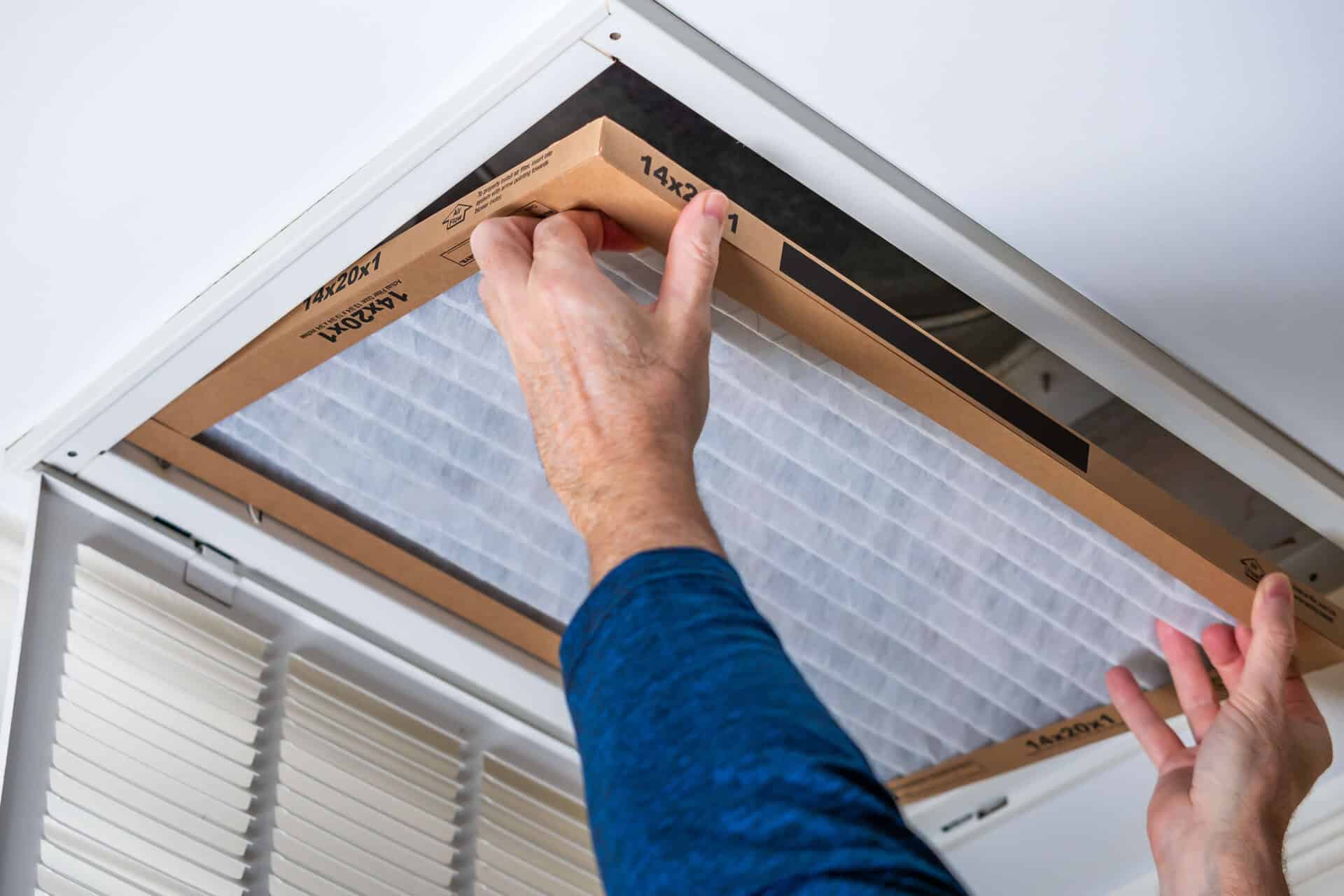
1) Dirty or Incorrect Air Filter
A clogged filter restricts airflow, which forces your system to run longer and work harder. In some cases, using a filter that’s too restrictive for your system can also reduce airflow.
What to do: Check your filter now. If it looks gray and dusty, replace it and note the date.
2) Thermostat Settings (and Schedule) Aren’t Optimized
If the thermostat is set too low in summer or too high in winter—or it’s being adjusted constantly—your system may never “settle,” which increases run time.
What to do: Use a consistent setpoint and consider a schedule (sleep/away) that matches your routine.
3) Leaky Ductwork
Duct leaks can dump conditioned air into an attic, crawlspace, or wall cavity. That means you’re paying to cool/heat spaces you don’t live in.
What to look for: Rooms that never feel comfortable, dustier-than-normal air, or weak airflow at certain vents.
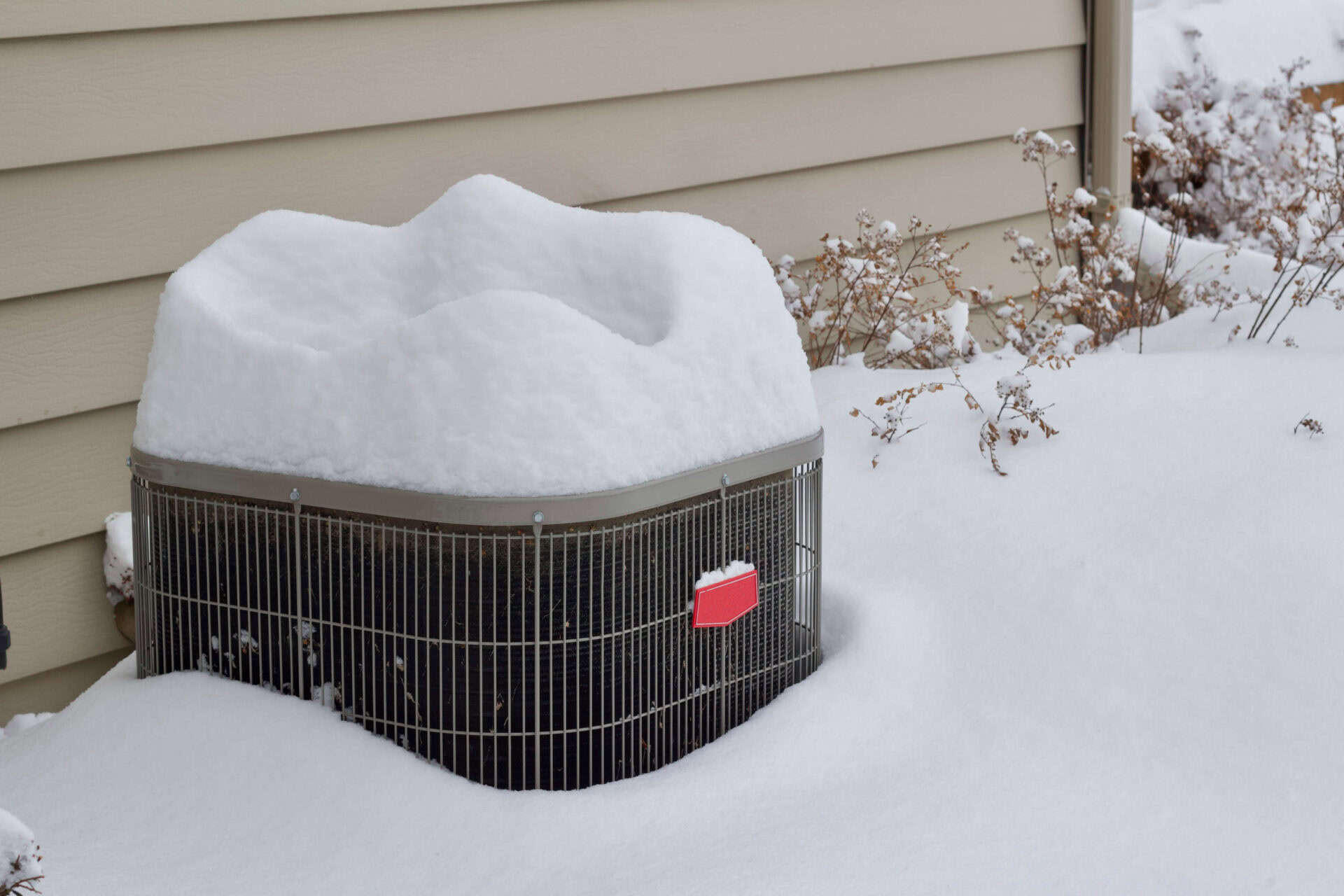
4) Outdoor Unit or Indoor Coil Is Dirty
Your system has to move heat efficiently. When coils are dirty (or the outdoor unit is clogged with debris), efficiency drops—and the system runs longer.
What to do: Keep the outdoor unit clear (leaves/grass) and schedule professional maintenance to safely clean coils.
5) Low Refrigerant or a Refrigerant Leak (AC/Heat Pump)
Refrigerant doesn’t “get used up.” If levels are low, it usually means there’s a leak. Low refrigerant can reduce cooling and raise energy use.
Signs: Longer cooling cycles, warm air, or ice/frost on lines or the indoor coil.
6) Poor Insulation or Air Leaks in the Home
Even a perfectly working HVAC system can’t win against leaky windows/doors or poor attic insulation. Your conditioned air escapes, and outdoor air replaces it.
What to do: Seal obvious drafts and consider an insulation check—especially if certain rooms are always hotter/colder.
7) Aging Equipment or Incorrect System Size
As systems get older, efficiency declines. Also, an oversized or undersized system can cycle improperly or struggle to keep up—both can waste energy.
What to do: If your system is older and repairs are becoming frequent, it may be time to discuss repair vs. replacement options.
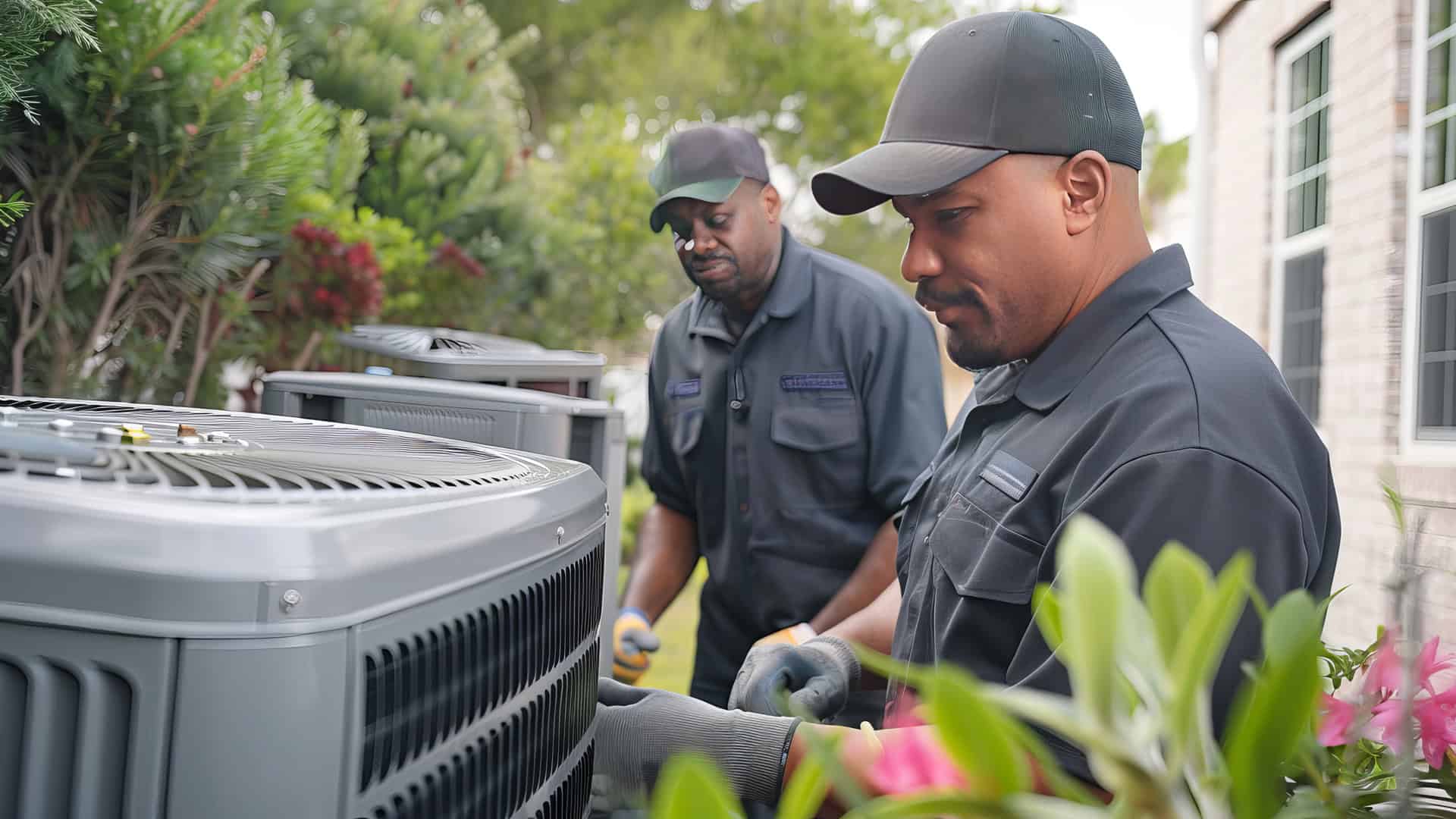
When to call a professional
If you’ve changed the filter and your bill is still high, a diagnostic can pinpoint airflow issues, duct leakage, refrigerant problems, or failing components before they turn into a breakdown.
If you need help, Cooling Downs A/C Services can inspect your system and recommend the most cost-effective fix. You can also explore our Maintenance Plans to keep efficiency high year-round.
Recap
High energy bills are often caused by airflow restrictions, duct leaks, dirty coils, thermostat/schedule issues, or equipment problems. Catching these early helps lower costs and protects your system.